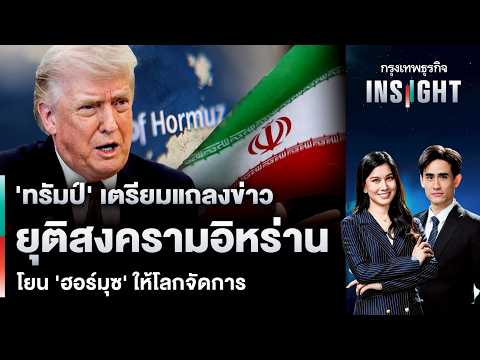
Trump to Withdraw Troops from Iran; Global Energy Crisis Looms
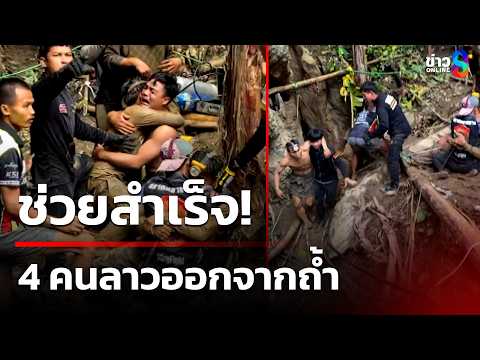
Lao Cave Rescue: 4 Freed, Search Intensifies for 2 Missing
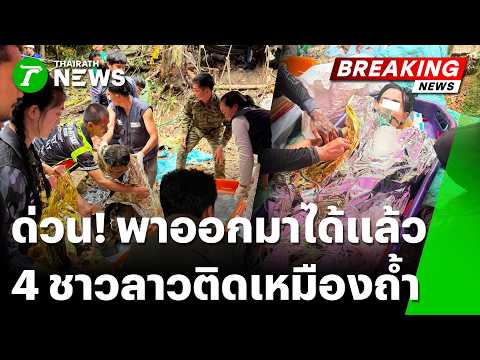
Laos Cave Rescue: 4 Workers Saved, Search Continues for 2 Others
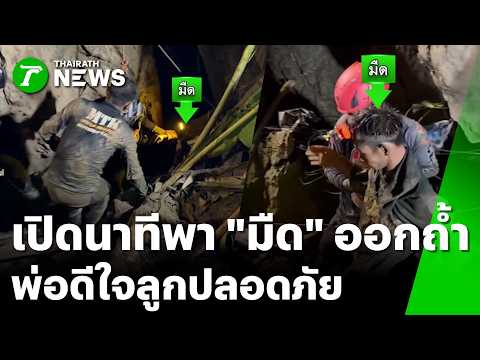
First Survivor Rescued from Cave After 11 Days Trapped
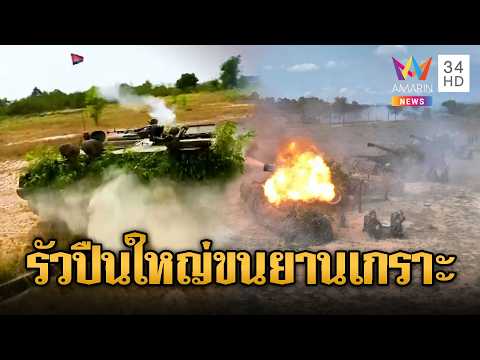
Cambodia Displays Military Might Near Thai Border Amidst Rising Tensions
Thailand Defends Sovereignty Against Cambodian Accusations at UNSC

Mother Accused of Throwing Infant into Forest, Leading to Death
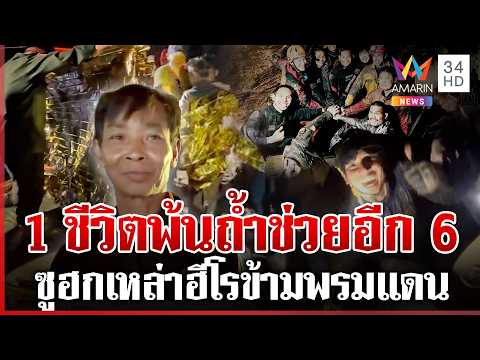
Cave Rescue: One Lao National Safely Extricated, Search Continues for Two
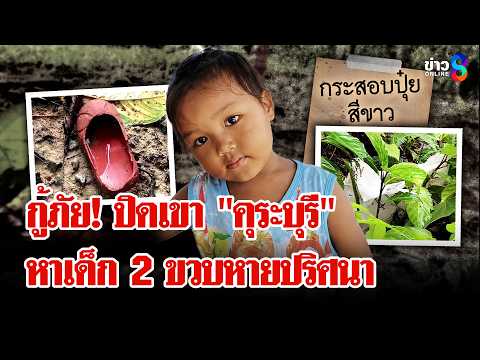
2-Year-Old Missing; Shoes Found in Forest, Father Questioned
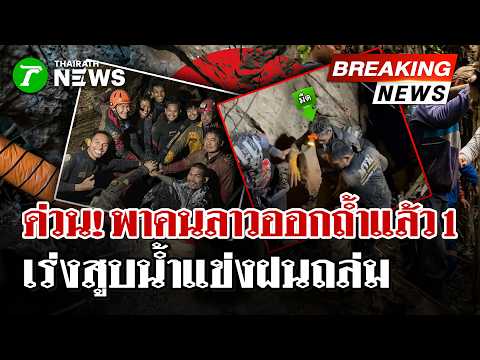
Lao Nationals Rescued from Cave; Rescue Efforts Continue for Others
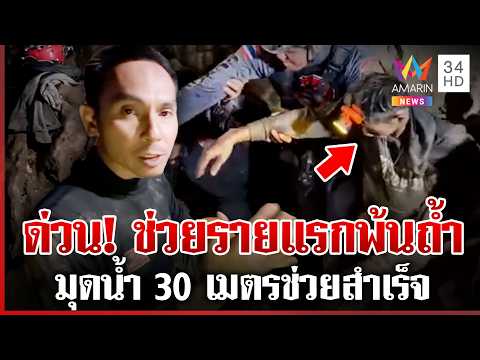
Thai Rescuers Successfully Extract First Survivor from Laos Cave

Mother Accused of Throwing Infant into Garbage, Later Seen Drinking Alcohol
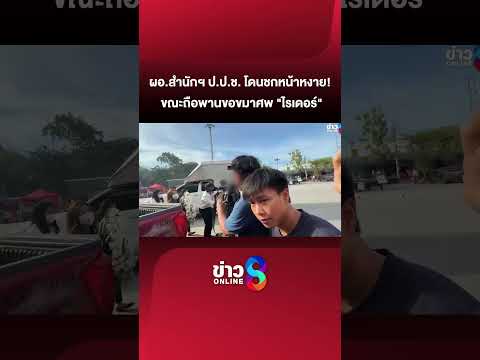
NACC Official Attacked While Offering Condolences to Slain Rider
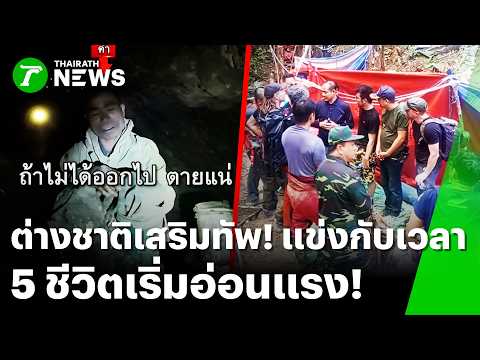
International Rescue Team Deploys to Aid 5 Trapped in Laos Cave
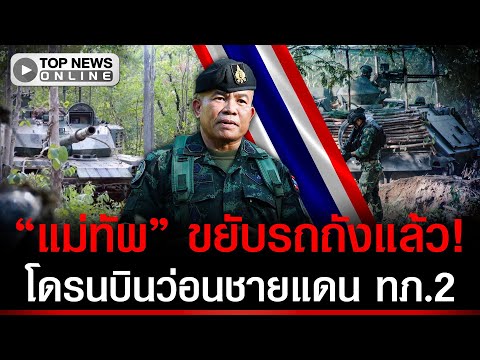
Thailand Deploys Tanks and Drones Amidst Cambodian Border Tensions
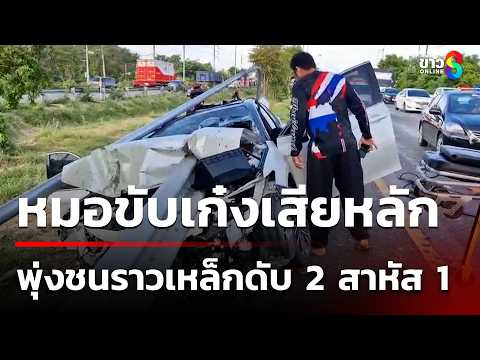
Doctor Dies in Fatal Crash After Car Pierced by Barrier
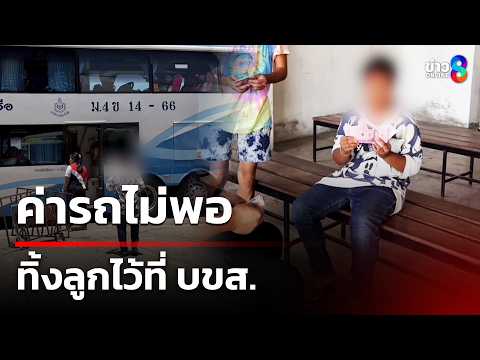
Mother abandons 10-year-old son at bus station over fare money
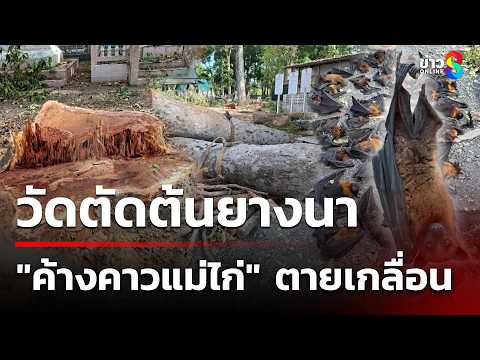
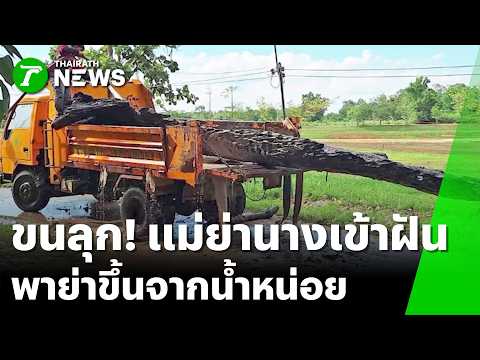
Temple Cuts Ancient Yang Na Tree, Dozens of Fruit Bats Die
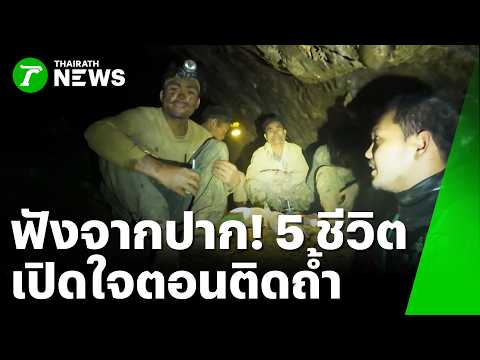
Thai Rescue Teams Race Against Time and Rain in Laos Cave Rescue
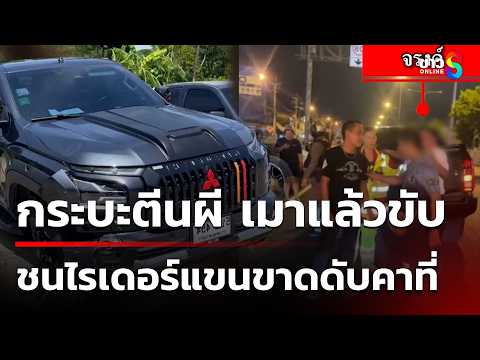
Drunk Driving Official Kills Rider, Attempts to Swap Driver
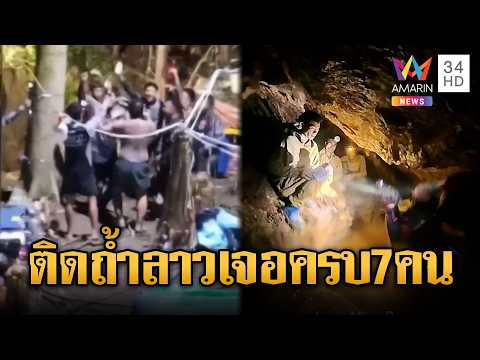
Thai Rescue Team Locates All 7 Workers Trapped in Lao Cave
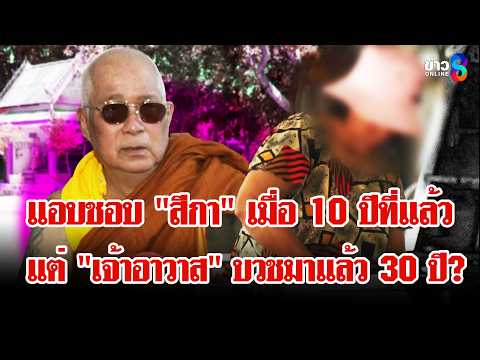
Abbot Shooting: Police Probe Abbot's Relationship with Lamai, Suspect Cover-up
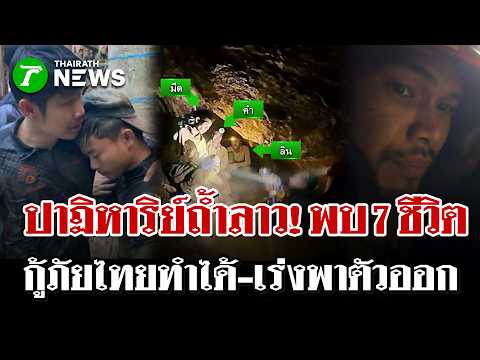
Thai Rescue Team Locates All 7 Survivors Trapped in Laos Cave
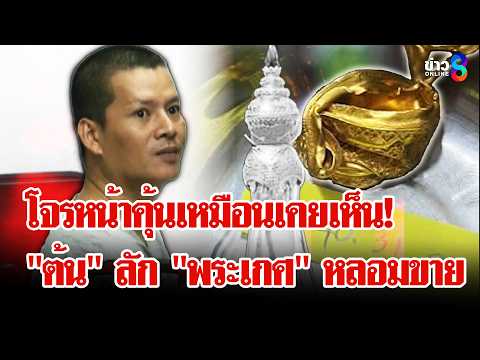
Monk Arrested for Stealing Golden Buddha Head to Melt
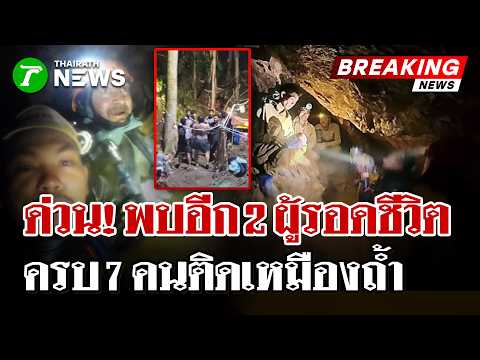
Miracle Rescue: All 7 Laotians Found Alive After 9 Days Trapped in Cave
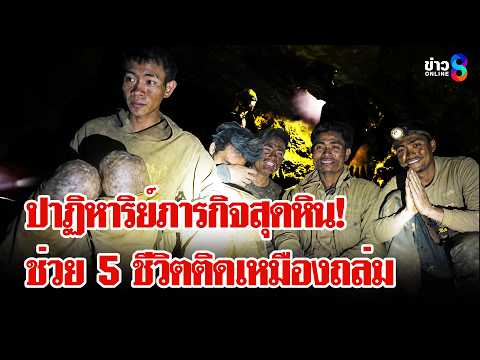
Thai Rescue Team Saves 5 Trapped in Laos Gold Mine
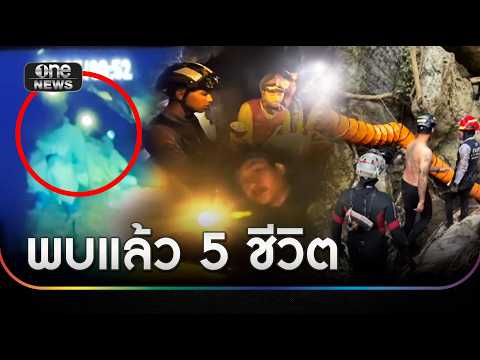
Five Trapped in Mine Collapse Found Alive; Two Still Missing

Thai Chuea Thai Plus Program: What's In and Out
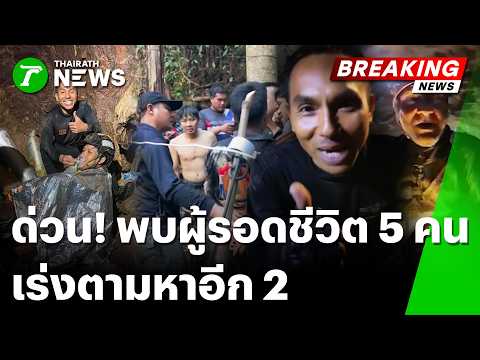
Thai rescuers find 5 Laotian survivors; search continues for 2 more
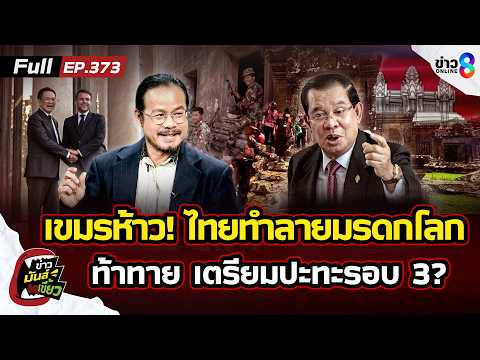
Cambodia Accuses Thailand of Heritage Destruction, Escalating Border Tensions
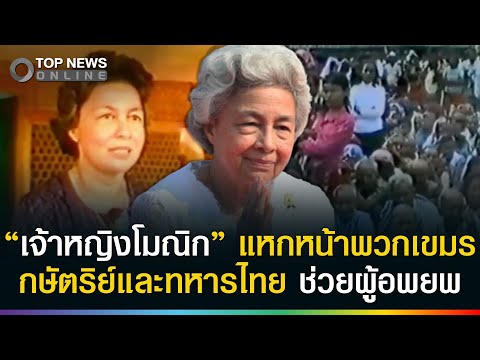
Cambodian Princess Visits Refugees in Thailand, Thanks Thai King
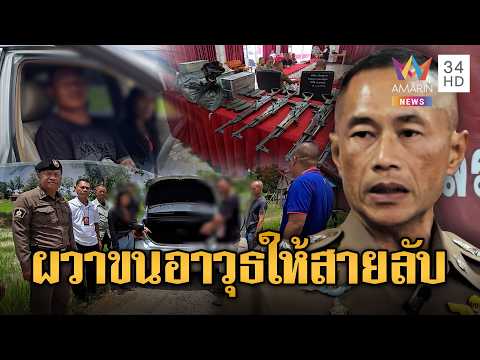
Thai Couple Arrested for Smuggling AK-47s and Thousands of Ammunition Rounds
Supernatural Encounters Fuel Lottery Fever in Thailand
Contractor Found Dead on Ceiling After 5-Day Disappearance
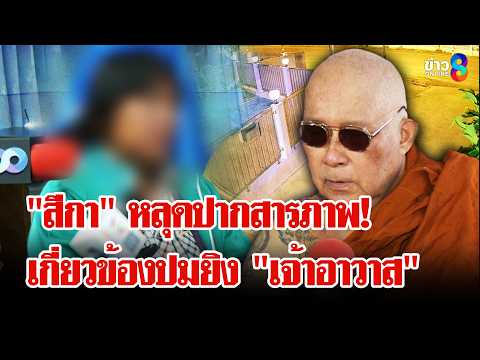
Abbot Shooting Case Nears End; Key Witness Questioned Again
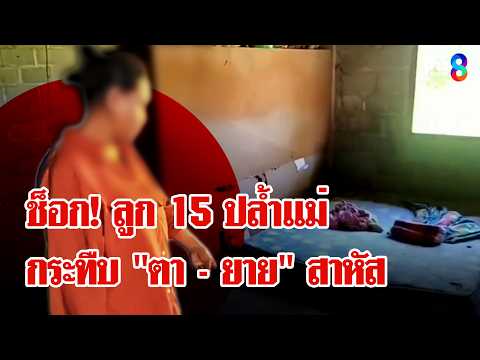
15-Year-Old Rapes Mother, Assaults Grandparents
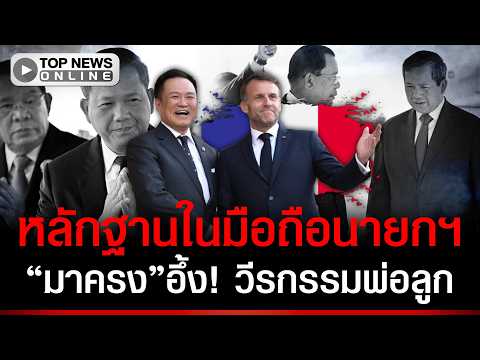
Thai Deputy PM Anutin Defends Sovereignty to French President Macron
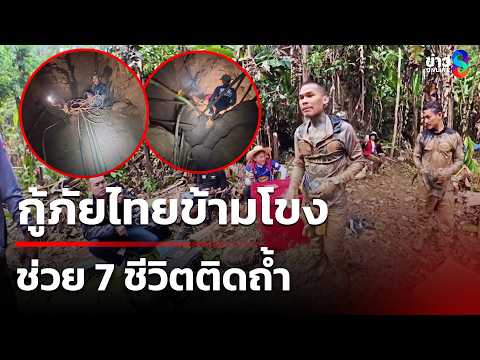
Thai rescuers aid 7 trapped in Laos mine cave
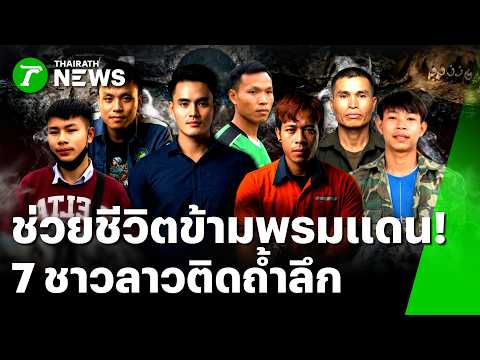
Thai rescuers aid 7 Laotians trapped in narrow cave
Stepfather Kills Stepdaughter, Critically Injures Wife in Brutal Attack
Victim Alleges Rape Since Age 9, Forced Drug Use; Legal Action Forthcoming
Investigating Monk Accused of Homosexuality and Frequent Male Visitors
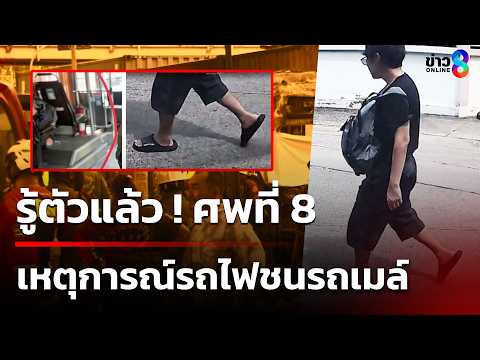
8th Victim Identified in Train-Bus Collision; DNA Tests Underway
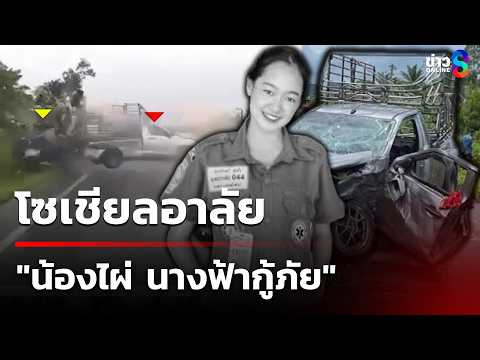
Six Dead in Highway Crash, Including Volunteer Rescuer
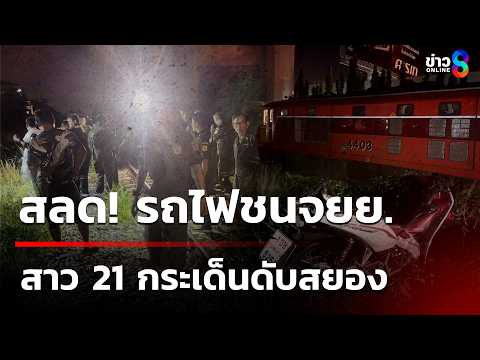
Woman, 21, Dies After Being Hit by Freight Train in Bangkok
Facebook Live Channel Showing Obscene Content Removed
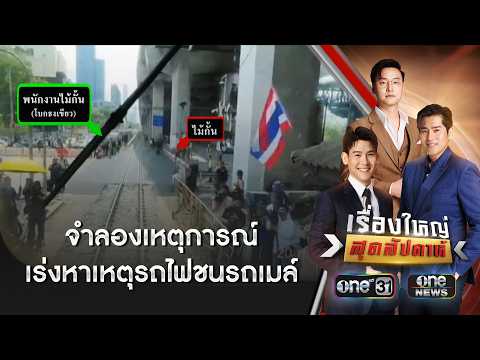
Train-Bus Collision: Simulation Highlights Visibility and Safety Concerns
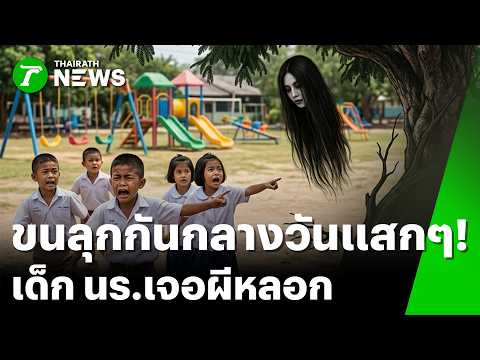
Ghostly Head Incident and Frog Patrol: Thai News Report
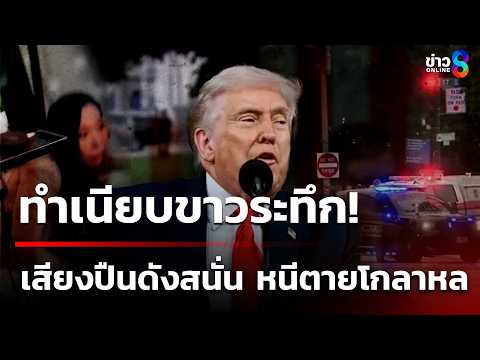
Shooting near White House; Trump in office; suspect injured, dies
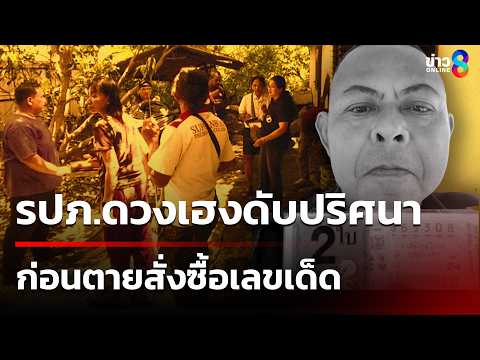
Security Guard Found Dead After Winning Lottery, Cause Under Investigation
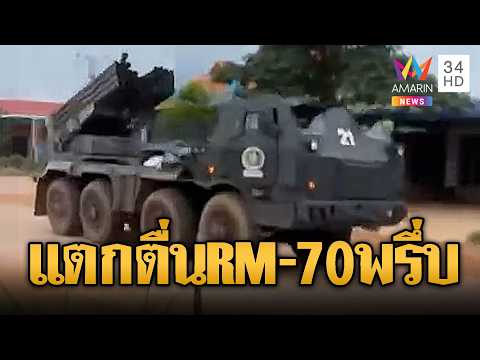
Cambodia Deploys Heavy Artillery and Troops Near Thai Border
Trump to Withdraw Troops from Iran; Global Energy Crisis Looms
As tensions escalate in the Middle East, President Trump is reportedly preparing to announce a withdrawal of US forces from Iran, leaving the Strait of Hormuz issue to the international community. This comes amid a deepening global energy crisis.
Smart Chapters
84 chaptersInsights
Events
The Middle East conflict has been ongoing for over a month.
Diesel prices in Thailand are set to increase by 3.50 baht per liter, nearing 45 baht.
Gasoline prices in Thailand have surpassed 50 baht per liter.
Iran has threatened to attack major US companies in the Middle East.
President Trump is expected to announce the withdrawal of US troops from Iran within weeks.
The US military claims to have achieved its strategic objectives in Iran.
The Strait of Hormuz blockade is presented as a global responsibility.
The White House is scheduled to hold a press briefing on April 1st at 9 PM EST (April 2nd, 8 AM Thailand time).
US officials are framing the military operations as successful in neutralizing Iran's military capabilities and preventing nuclear proliferation.
Israeli Prime Minister Netanyahu declared success in military operations against Iran.
The IRGC announced plans to attack US multinational corporations in the Middle East on Wednesday at 8 PM Iran time (11 PM Thailand time).
A list of 18 US companies identified as potential targets by the IRGC has been reported.
President Trump dismissed Iran's threats, citing a lack of military capability.
Diplomatic communications are ongoing between Iran and the US via intermediaries.
The UAE is lobbying the UN Security Council to authorize military action to reopen the Strait of Hormuz.
The US is reportedly considering seizing strategic islands in the Strait of Hormuz.
Saudi Arabia and other Gulf states support continuing the conflict until Iran is militarily weakened or its regime is overthrown.
Bahrain supports a UN resolution to reopen the Strait of Hormuz.
The current oil crisis is compared to the 1970s crisis, with potential for greater severity.
Asia, particularly Thailand, is heavily reliant on Middle East oil imports.
The risk of stagflation (high inflation and economic stagnation) is a major concern.
China is reselling LNG, profiting from high global prices and regional shortages.
China has resumed oil and LNG imports from the US, diversifying energy sources and seeking trade leverage.
A US Supreme Court ruling declared President Trump's unilateral tariff increases unconstitutional, requiring billions in refunds.
The US government faces a significant financial burden from tariff refunds and potential interest.
A seminar on women's health highlights the rising risk of breast and cervical cancer among young Thai women.
Early detection is emphasized as critical for improving cancer treatment outcomes.
China is strengthening energy partnerships with Turkmenistan and Russia.
China has accumulated significant energy reserves due to importing Russian energy while other nations faced sanctions.