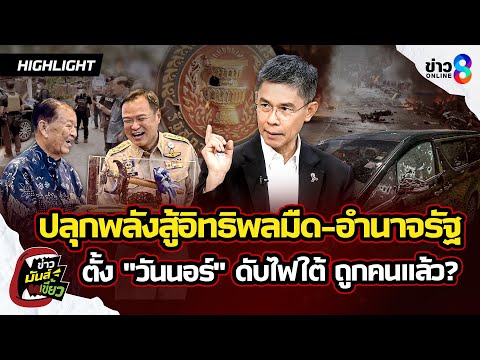
Thailand's Southern Conflict: Calls for Unified Security and Dialogue
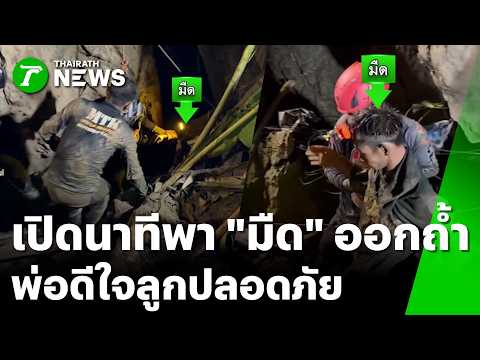
First Survivor Rescued from Cave After 11 Days Trapped
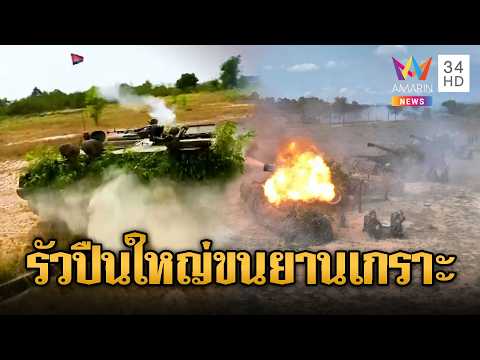
Cambodia Displays Military Might Near Thai Border Amidst Rising Tensions
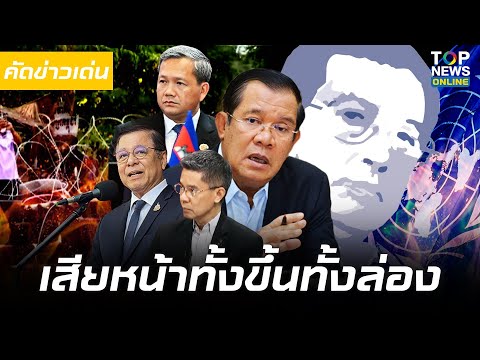
Thailand Defends Sovereignty Against Cambodian Accusations at UNSC
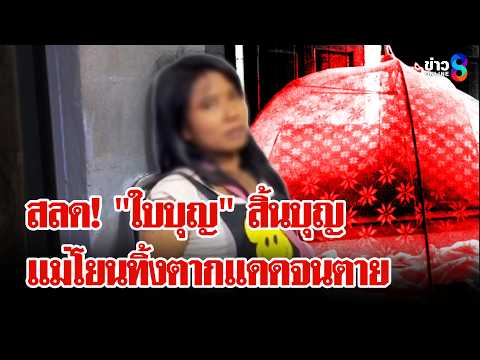
Mother Accused of Throwing Infant into Forest, Leading to Death
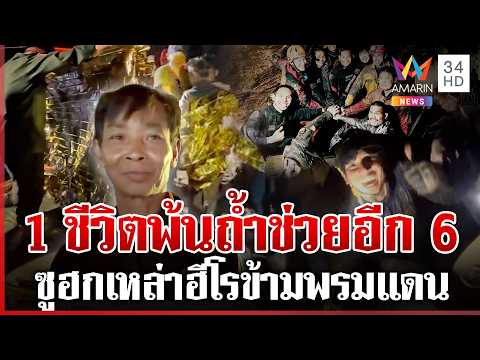
Cave Rescue: One Lao National Safely Extricated, Search Continues for Two
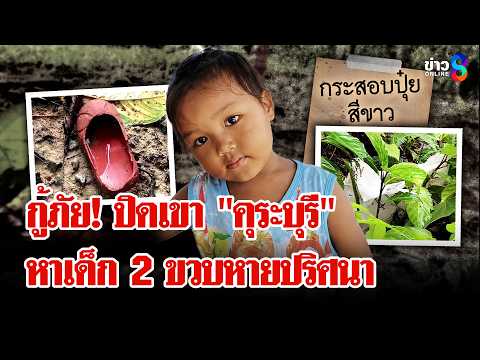
2-Year-Old Missing; Shoes Found in Forest, Father Questioned
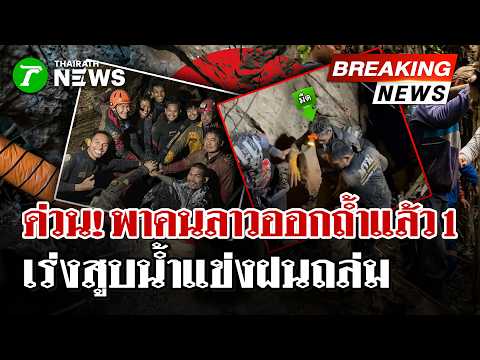
Lao Nationals Rescued from Cave; Rescue Efforts Continue for Others
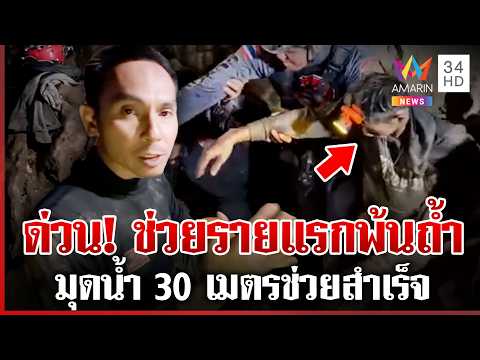
Thai Rescuers Successfully Extract First Survivor from Laos Cave
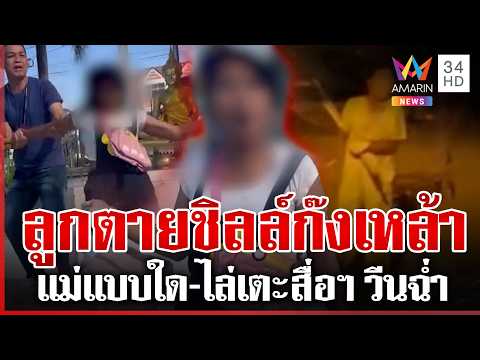
Mother Accused of Throwing Infant into Garbage, Later Seen Drinking Alcohol
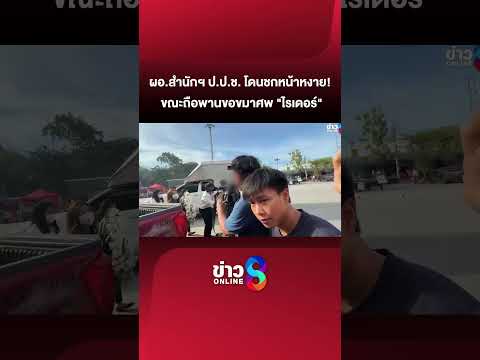
NACC Official Attacked While Offering Condolences to Slain Rider
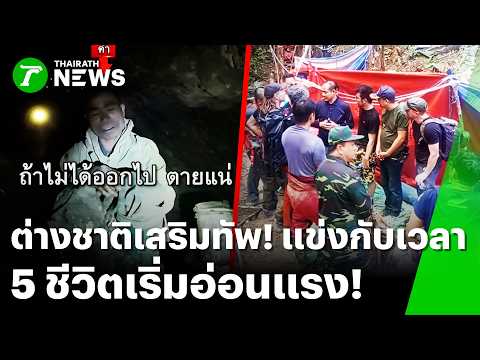
International Rescue Team Deploys to Aid 5 Trapped in Laos Cave
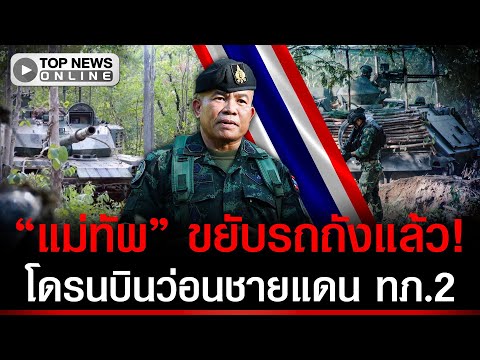
Thailand Deploys Tanks and Drones Amidst Cambodian Border Tensions
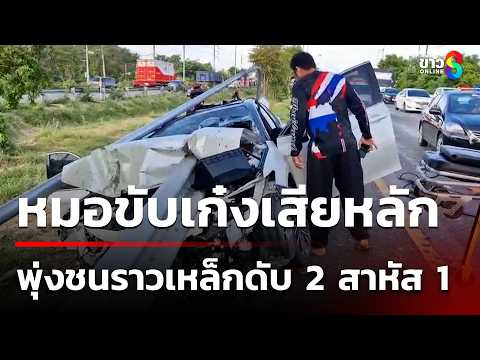
Doctor Dies in Fatal Crash After Car Pierced by Barrier
Mother abandons 10-year-old son at bus station over fare money
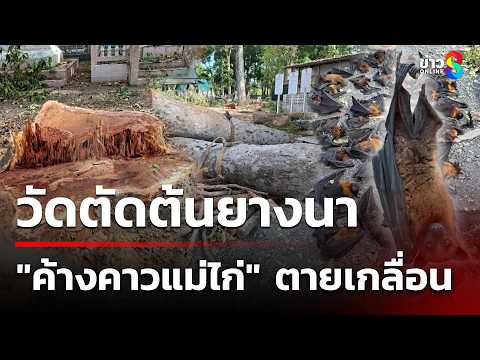
Temple Cuts Ancient Yang Na Tree, Dozens of Fruit Bats Die
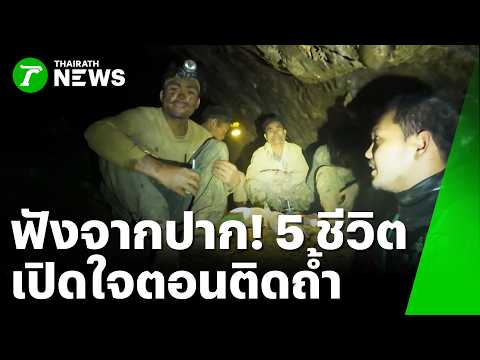
Thai Rescue Teams Race Against Time and Rain in Laos Cave Rescue
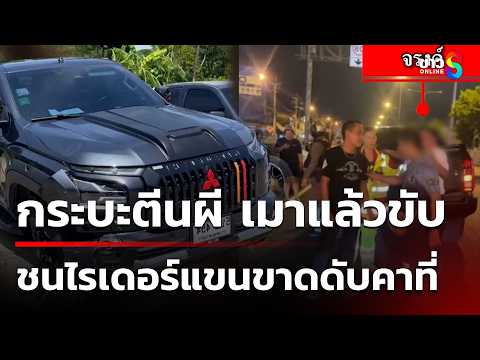
Drunk Driving Official Kills Rider, Attempts to Swap Driver
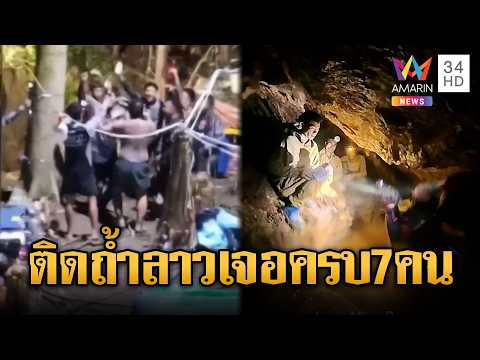
Thai Rescue Team Locates All 7 Workers Trapped in Lao Cave
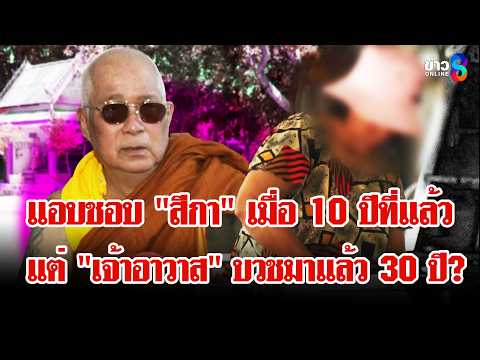
Abbot Shooting: Police Probe Abbot's Relationship with Lamai, Suspect Cover-up
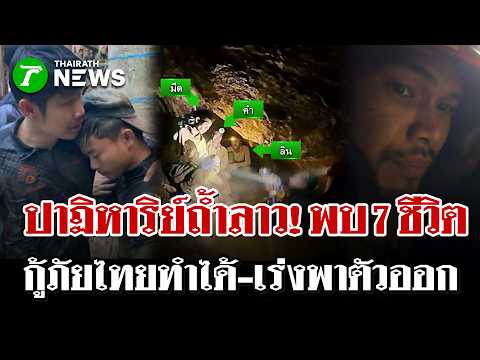
Thai Rescue Team Locates All 7 Survivors Trapped in Laos Cave
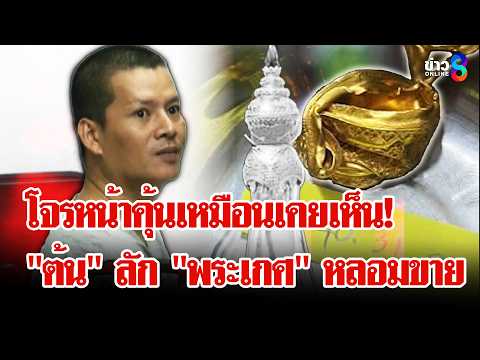
Monk Arrested for Stealing Golden Buddha Head to Melt
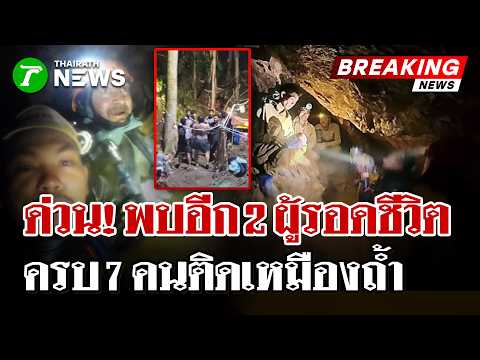
Miracle Rescue: All 7 Laotians Found Alive After 9 Days Trapped in Cave
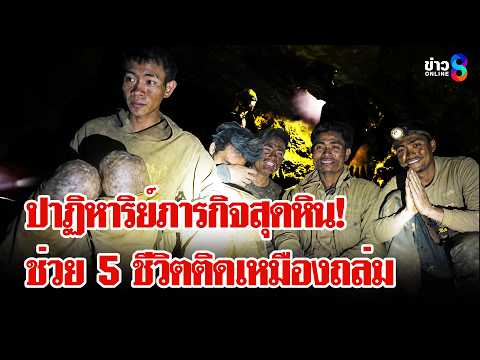
Thai Rescue Team Saves 5 Trapped in Laos Gold Mine
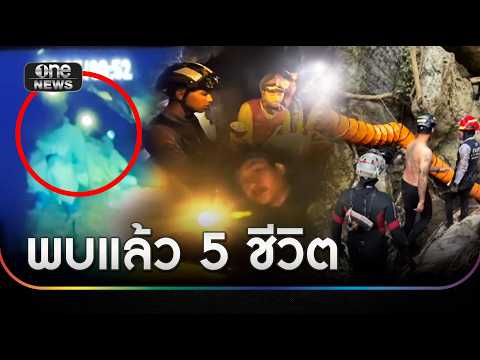
Five Trapped in Mine Collapse Found Alive; Two Still Missing

Thai Chuea Thai Plus Program: What's In and Out
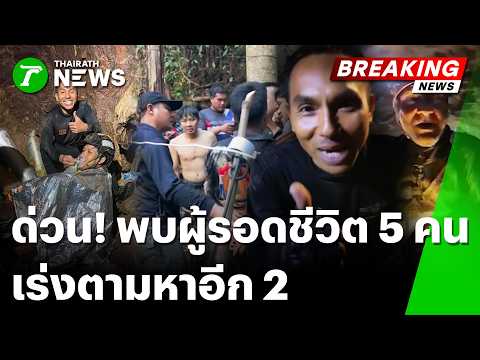
Thai rescuers find 5 Laotian survivors; search continues for 2 more
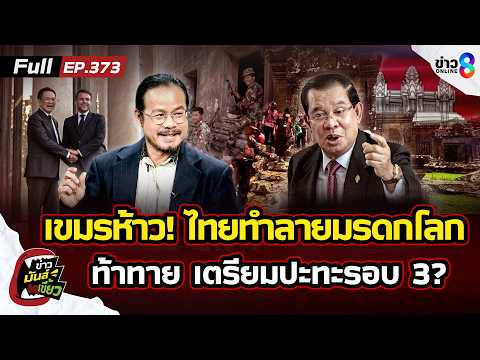
Cambodia Accuses Thailand of Heritage Destruction, Escalating Border Tensions
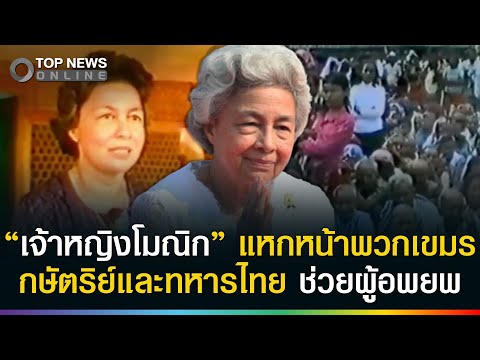
Cambodian Princess Visits Refugees in Thailand, Thanks Thai King
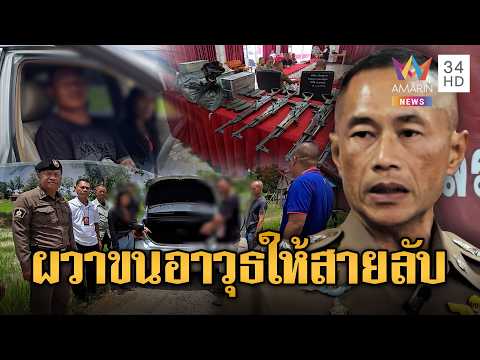
Thai Couple Arrested for Smuggling AK-47s and Thousands of Ammunition Rounds
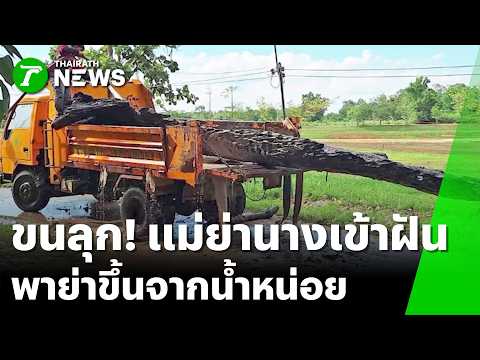
Supernatural Encounters Fuel Lottery Fever in Thailand
Contractor Found Dead on Ceiling After 5-Day Disappearance
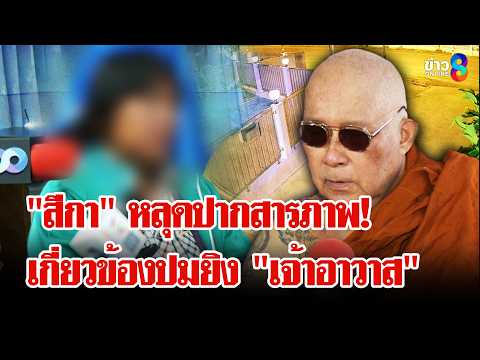
Abbot Shooting Case Nears End; Key Witness Questioned Again
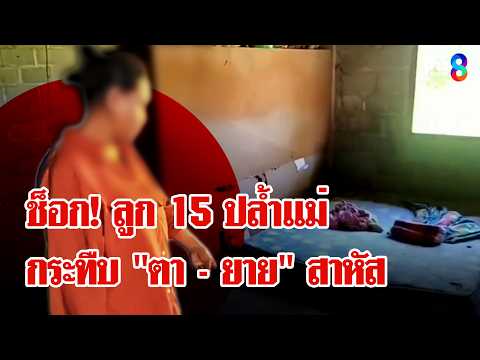
15-Year-Old Rapes Mother, Assaults Grandparents
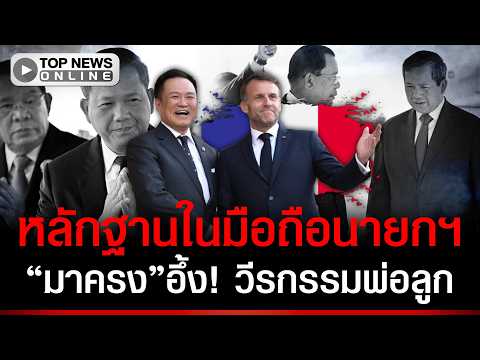
Thai Deputy PM Anutin Defends Sovereignty to French President Macron
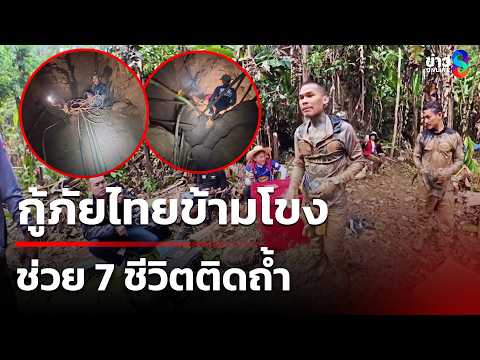
Thai rescuers aid 7 trapped in Laos mine cave
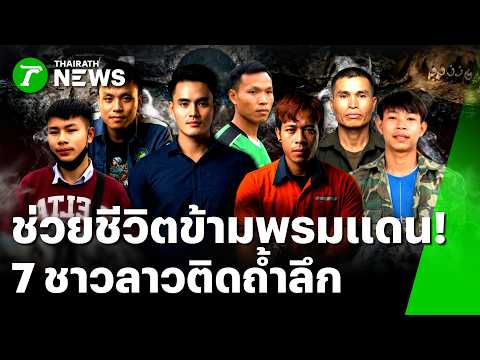
Thai rescuers aid 7 Laotians trapped in narrow cave
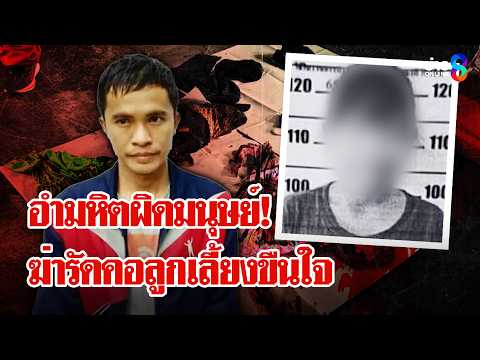
Stepfather Kills Stepdaughter, Critically Injures Wife in Brutal Attack
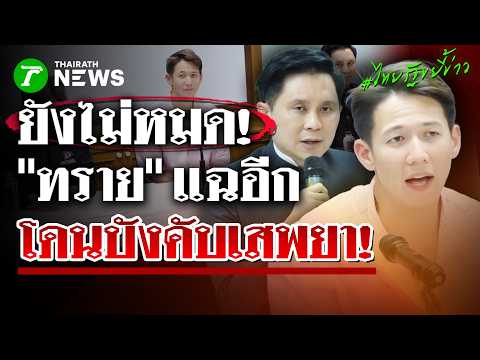
Victim Alleges Rape Since Age 9, Forced Drug Use; Legal Action Forthcoming
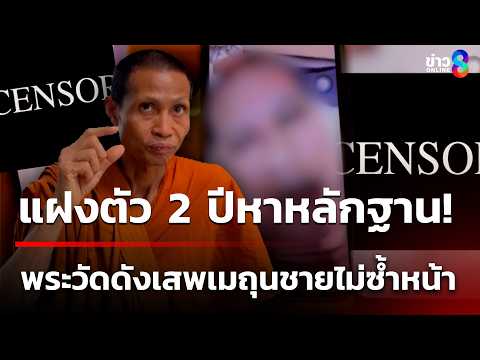
Investigating Monk Accused of Homosexuality and Frequent Male Visitors
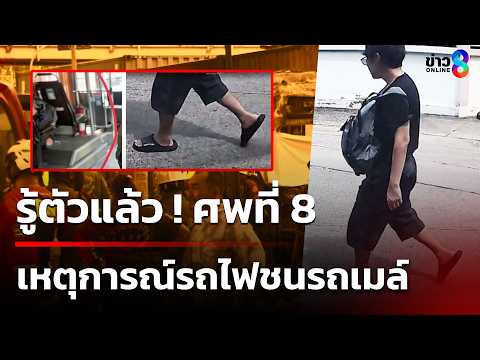
8th Victim Identified in Train-Bus Collision; DNA Tests Underway
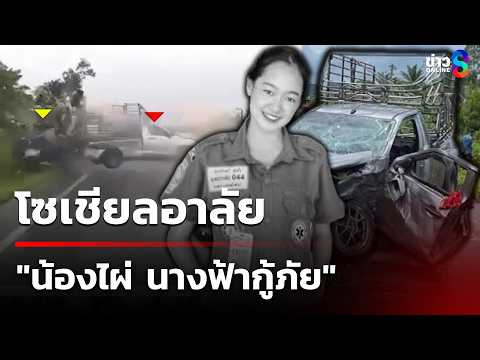
Six Dead in Highway Crash, Including Volunteer Rescuer
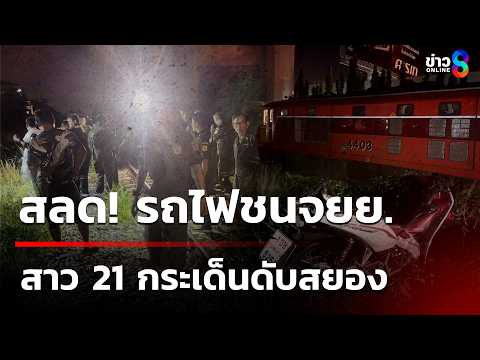
Woman, 21, Dies After Being Hit by Freight Train in Bangkok
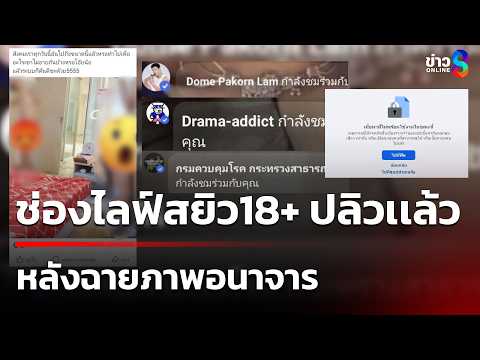
Facebook Live Channel Showing Obscene Content Removed
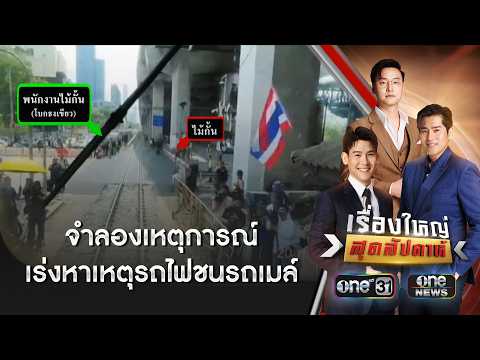
Train-Bus Collision: Simulation Highlights Visibility and Safety Concerns
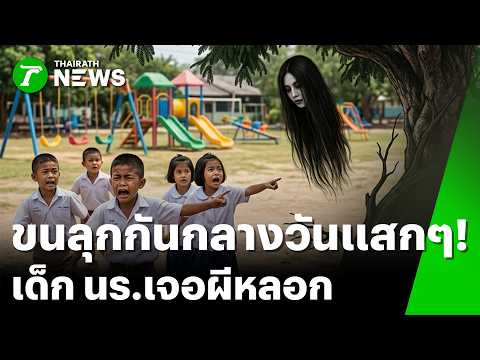
Ghostly Head Incident and Frog Patrol: Thai News Report
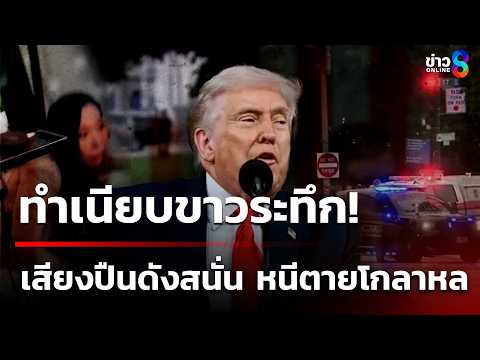
Shooting near White House; Trump in office; suspect injured, dies
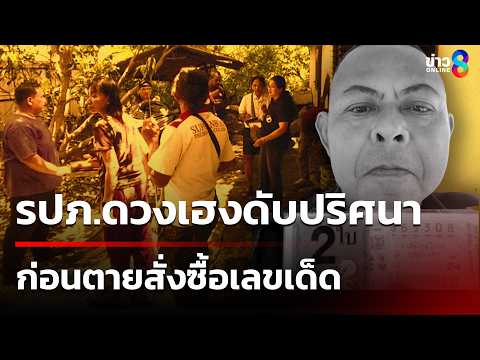
Security Guard Found Dead After Winning Lottery, Cause Under Investigation
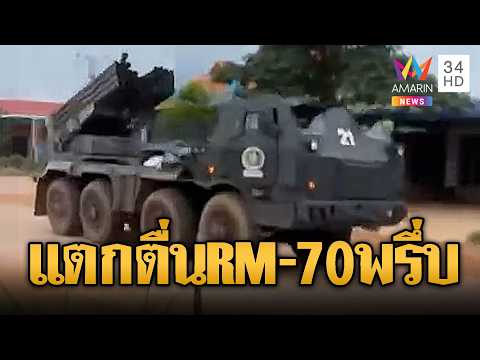
Cambodia Deploys Heavy Artillery and Troops Near Thai Border
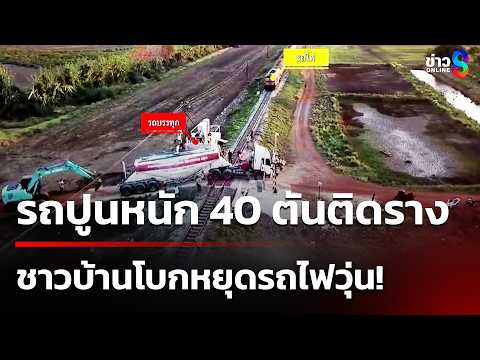
Cement Truck Blocks Tracks, Villagers Halt Approaching Train
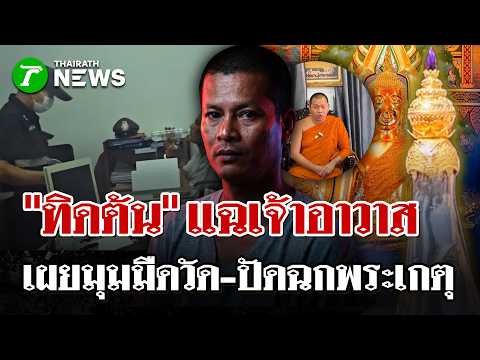
Former Monk Accused of Stealing Golden Buddha Relic, Claims Innocence
Thailand's Southern Conflict: Calls for Unified Security and Dialogue
Experts discuss the persistent unrest in Thailand's southern provinces, highlighting deep-rooted issues and proposing solutions for peace and stability.
Smart Chapters
20 chaptersInsights
Events
Ongoing unrest in Southern Thailand due to complex factors including separatism, armed groups, and legal issues.
Recent assassination attempt on an MP highlights persistent violence.
Government proposes principles of non-violence, fair law enforcement, and development.
Challenges include long-term deployments, potential vested interests, and local political dynamics.
Calls for a unified security approach, special envoys with negotiation power, and civil society involvement.
Discussion on the role of deputy defense ministers in overseeing security operations.
Existence of strategic plans from the National Security Council, but implementation is questioned.
Emphasis on appointing knowledgeable individuals and involving youth and civil society.
Acknowledgement of the desire for greater self-governance and local management.
Importance of empowered representatives for dialogue and negotiation.
Need for systemic reforms, reduced redundancy, and effective conflict resolution.
Questioning past budget effectiveness and suggesting zero-based budgeting.
Personal accounts of loss due to violence in the region.
Influence of illegal businesses and smuggling on the conflict.
Need for regional cooperation with Malaysia and other neighbors.
Value of local knowledge from officials and residents.
Research efforts to find common ground and balance among factions.
Development of practical guidelines for officials.
Importance of bringing all stakeholders together for consensus-building workshops.
Need for a central coordination point and agreement (MOU) to ensure unified action.