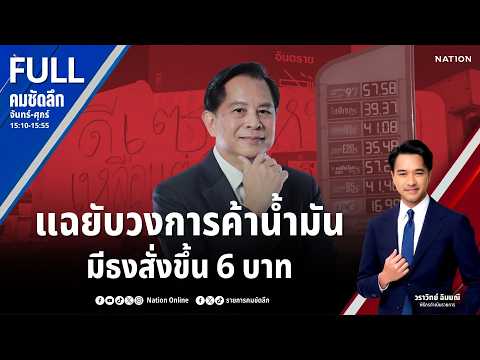
Oil Price Hike Under Scrutiny: Former Minister Alleges 'Rigged' System

Six Dead in Highway Crash, Including Volunteer Rescuer

Woman, 21, Dies After Being Hit by Freight Train in Bangkok

Facebook Live Channel Showing Obscene Content Removed

Train-Bus Collision: Simulation Highlights Visibility and Safety Concerns

Ghostly Head Incident and Frog Patrol: Thai News Report
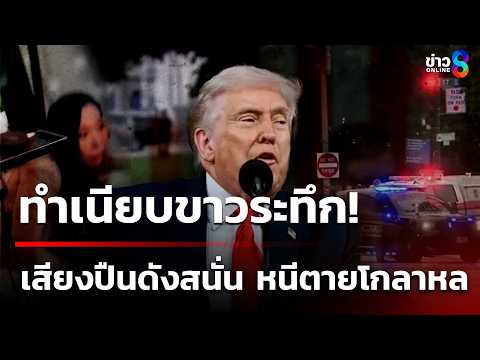
Shooting near White House; Trump in office; suspect injured, dies
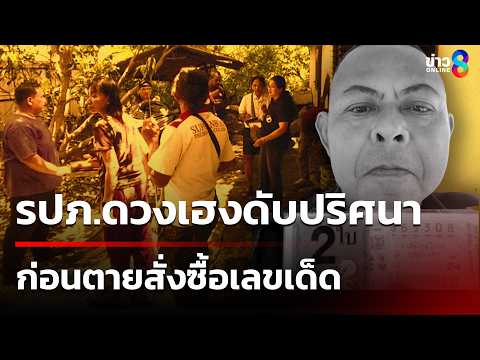
Security Guard Found Dead After Winning Lottery, Cause Under Investigation

Cambodia Deploys Heavy Artillery and Troops Near Thai Border
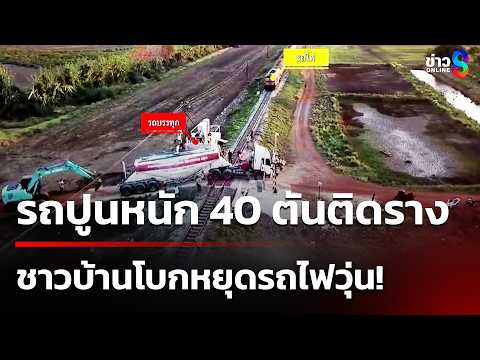
Cement Truck Blocks Tracks, Villagers Halt Approaching Train

Former Monk Accused of Stealing Golden Buddha Relic, Claims Innocence

US Releases UFO Documents; SpaceX Starship Explodes on Landing

Thai Rescue Mobilizes for 7 Trapped in Laos Tunnel

Fatal Crash Kills 6; Police Officer Ambushed in Southern Thailand

Thai Military Confronts Cambodian Incursions at Border

Lao Woman Cries at Border After Missing Husband's Funeral Crossing

Cambodia Deploys Prisoners to Thai Border Amid Rising Tensions

Cambodia Deploys Border Forces, Fires Weapons Near Thai Border

Child Abuse Allegations Surface After Apparent Kidnapping Rescue

Monk Arrested in Golden Buddha Top Theft Case Denies Involvement

Monk Arrested for Theft of Golden Buddha Top

Cambodian Soldiers Fire Shots into Thailand; Bomb Incident Kills One

Cambodian Soldier Killed by Grenade Explosion Near Thai Border

Laos Defends Thailand Against Cambodia's Accusations
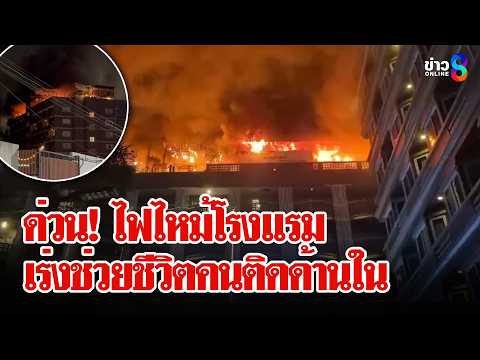
Pattaya Hotel Fire Traps Guests; Child Electrocuted by Cat Cage

DNA Confirms Victim in Train-Bus Collision; Relatives Seek Safer Roads

Allegations of Karma Cleansing Scams and Exploitation Emerge

Cambodian Designer Removed from Cannes for Ticket Violation
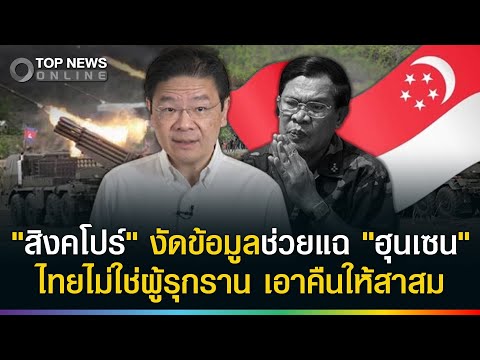
Singapore Think Tank: Thailand Justified in Actions Against Cambodia

Cambodian Designer Arrested at Cannes for Flag Display

Cambodian Soldiers Confront Thai Villagers Over Land Dispute

Teen Raped by Uncle and Grandfather, Discovers Pregnancy

Train-Bus Collision: Families Mourn 8 Victims, One Missing Woman's Fate Unknown

Investigation into Abbot Shooting: Gunpowder Tests, Motives Explored

17-Year-Old Beaten, Accused of Affair with Wife; Family Flees Threats

Thailand's "Poor Card" Program Faces Scrutiny Over Eligibility

Parking Dispute Escalates: Man Douses Truck with Engine Oil

Cambodian Migrant Workers Return to Thailand Illegally Amid Economic Hardship

Storms Cause Flash Floods and Mudslides Across Thailand

Boonrawd Brewery Fires Executive Amid Abuse Allegations; Critic Slams 'Cold-Blooded' Family

Train-Bus Collision: 6 Victims Identified, 2 Awaiting DNA; Injured Seek Compensation

Abbot Shot in Kamphaeng Phet: Police Investigate Possible Inside Job

Thai Military Commander Conducts F-16 Border Patrol Flight

Thailand Displays New Military Tech Amid Regional Tensions

Train-Bus Collision: Mechanic Questioned, Identities of Victims Emerge

Train Crash: Driver's Drug Use, Missing Driver, and Safety Lapses Under Scrutiny
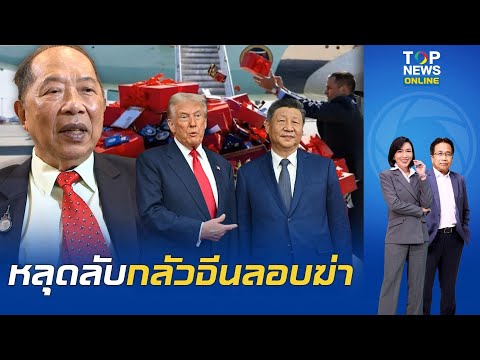
Trump's China Visit Deemed Diplomatic Disaster Amidst Retaliation Fears
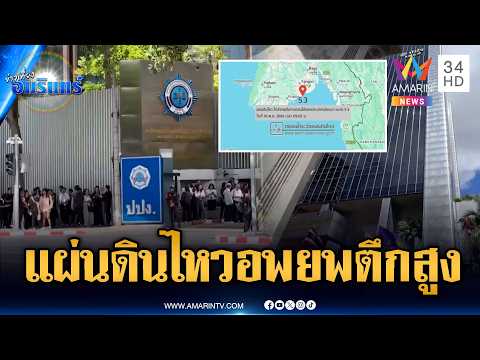
Earthquake in Myanmar Shakes Bangkok; Man Sets Motorcycle Ablaze

Two EA-18Gs Crash During US Air Show; Pilots Eject

Abbot Shot 16 Times; Attackers May Be Known to Victim

Train Crash: Black Box Reveals Emergency Brake Engaged 100m Before Impact
Oil Price Hike Under Scrutiny: Former Minister Alleges 'Rigged' System
A former Thai Energy Minister criticizes a sudden 6 baht per liter oil price increase, questioning the market mechanisms and alleging a lack of transparency.
Smart Chapters
43 chaptersInsights
Events
A sudden 6 baht per liter increase in oil prices was announced and took effect.
People rushed to gas stations to fill their tanks before the price hike.
Former Minister of Energy, Pirapan Saleerath, criticized the price increase as a 'robbery'.
Pirapan questioned the basis for the price hike, noting that Singapore's oil prices had decreased.
The complexity of the oil subsidy system was discussed, revealing higher effective consumer costs.
Concerns were raised about the Oil Fund Committee's decision-making process and lack of transparency.
Allegations of a pre-determined price increase ('ธง') were discussed.
Pirapan revealed his past non-participation in committee meetings due to disagreements.
A proposal for a national oil reserve was presented as a solution for energy security.
The barrier to IEA membership due to the lack of a national reserve was explained.
Pirapan advocated for new legislation to reform oil management.
The discussion touched upon the oil fund's deficit and the beneficiaries of the current system.
Criticism was leveled against the government for a lack of transparency regarding oil production and distribution.
Claims about industrial users and transport issues as causes for shortages were debunked.
The status of fuel as a controlled product and the Ministry of Commerce's authority were highlighted.
Pirapan questioned the Minister of Commerce's stance on their authority.
The government's excuse for price hikes to prevent illegal exports was challenged.
Pirapan reiterated the need for daily clarifications with data from refineries and distributors.
The unprecedented nature of a single 6 baht price increase was noted.
The oil fund's deficit was linked to the need for price adjustments.
Pirapan emphasized that subsidies should be based on verified, not assumed, losses.
Pirapan detailed his efforts to enact new laws, including the creation of a national oil reserve.
An 'oil-for-oil' system using reserves was proposed to replace cash subsidies.
The national oil reserve was presented as a way to turn the fund's debt into a national asset.
Pirapan recounted how his legislative efforts were stalled due to government changes.
He asserted his commitment to criticizing incorrect policies, even as a coalition partner.
The reliance on the Singapore benchmark for pricing was questioned.
Refineries' claims of confidential cost data were highlighted as a barrier to transparency.
A ministerial announcement mandating disclosure of crude oil costs was mentioned.
Analysis showed Thailand's crude oil purchase costs were higher than global market prices.
A 'Cost-Plus' system for pricing, based on actual costs and reasonable profit, was proposed.
Singapore's higher prices were attributed to its export-oriented strategy.
Concerns about indirect purchasing practices inflating costs were raised.
The actual cost of refining remained unknown.
Standardized global pricing for crude oil and refining was suggested.
A regulated profit margin for oil companies was discussed.
The current oil market was deemed not free due to consistent profits and subsidies.
Further price increases were predicted if the current system continues.
A call for the government to reduce excise taxes on fuel was reiterated.
Pirapan expressed his intention to provide information to the government for policy reform.