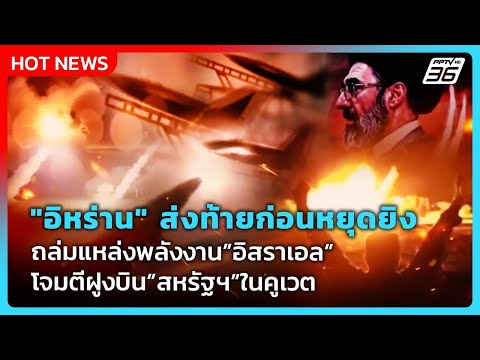
Iran Strikes Israeli Energy, US Forces Before Ceasefire Amidst Rising Tensions

Woman Found Dead Naked; Investigation Focuses on Three Men
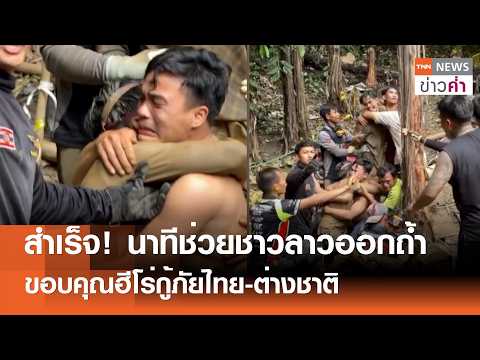
Lao Cave Rescue: 5 Rescued, Search Continues for 2 More
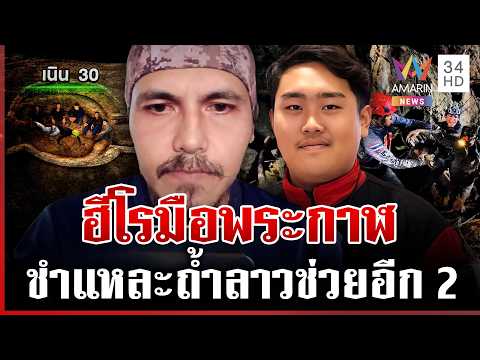
Cave Rescue Intensifies for 2 More Trapped Individuals in Laos
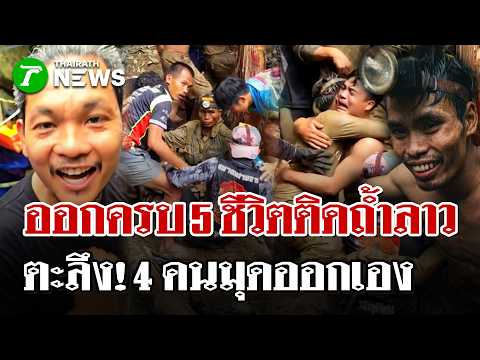
5 Lao Nationals Rescued From Cave; Search Underway for 2 More
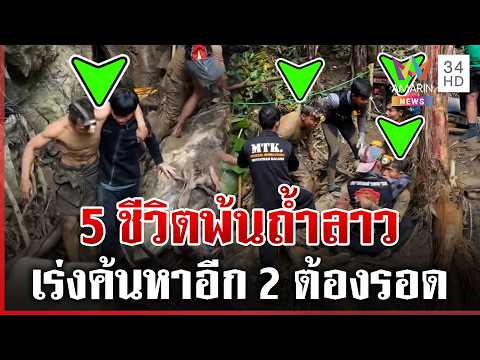
Laos Cave Rescue: 4 More Saved, Search Continues for 2 Missing
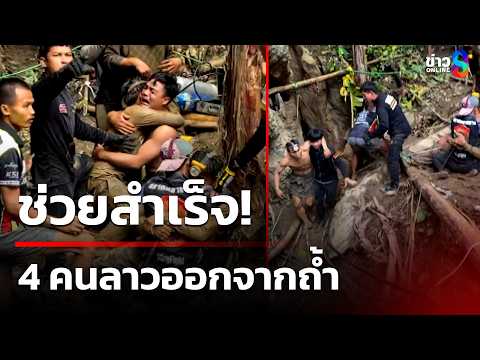
Lao Cave Rescue: 4 Freed, Search Intensifies for 2 Missing
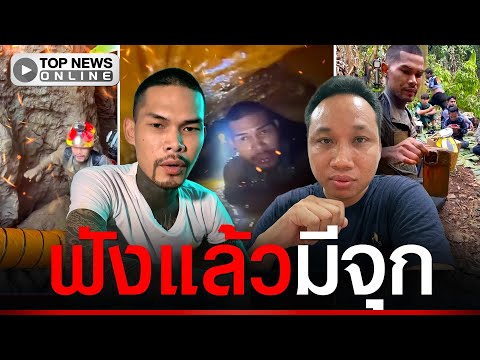
Thai Rescuer "Porn Jakkarit" Clashes with Cambodian Influencer "Boy Khmer"
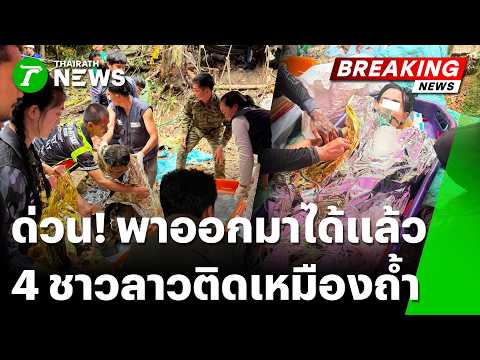
Laos Cave Rescue: 4 Workers Saved, Search Continues for 2 Others
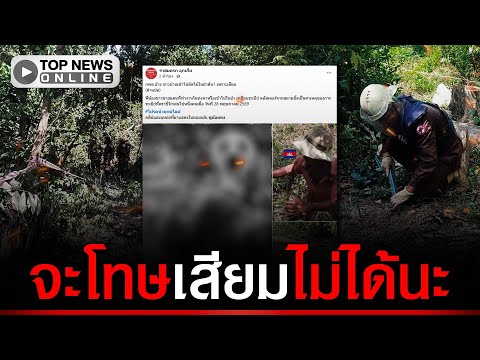
Cambodia Claims Landmine Victim Died Cutting Wood, Blames Thai Shovel
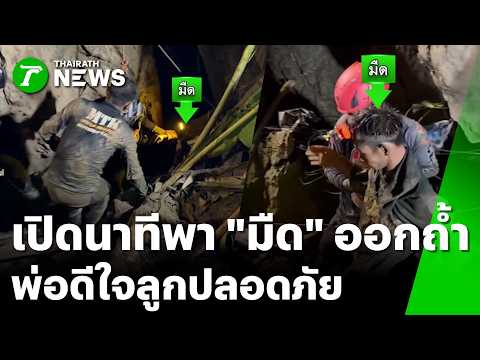
First Survivor Rescued from Cave After 11 Days Trapped
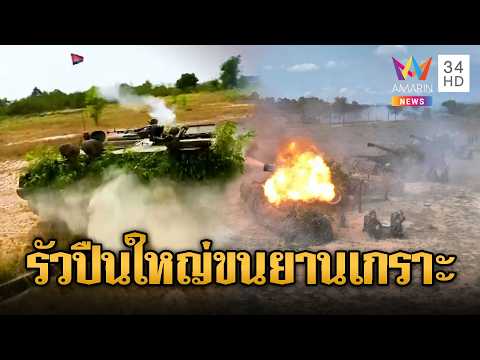
Cambodia Displays Military Might Near Thai Border Amidst Rising Tensions

Thailand Defends Sovereignty Against Cambodian Accusations at UNSC

Mother Accused of Throwing Infant into Forest, Leading to Death
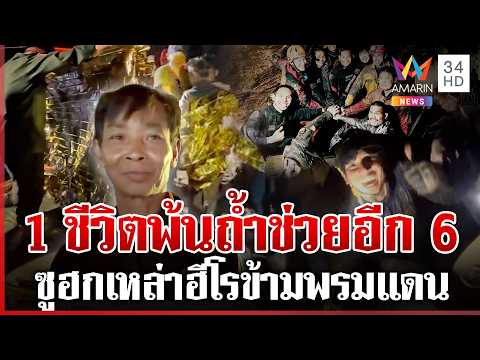
Cave Rescue: One Lao National Safely Extricated, Search Continues for Two
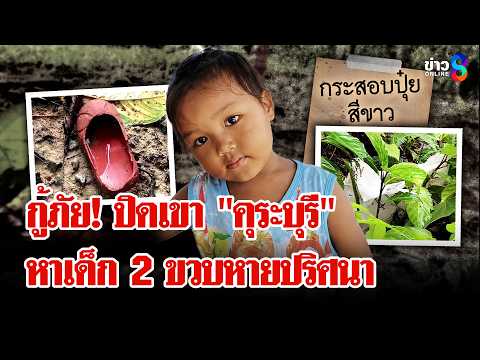
2-Year-Old Missing; Shoes Found in Forest, Father Questioned
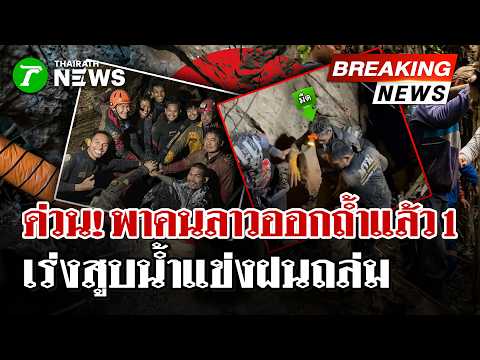
Lao Nationals Rescued from Cave; Rescue Efforts Continue for Others
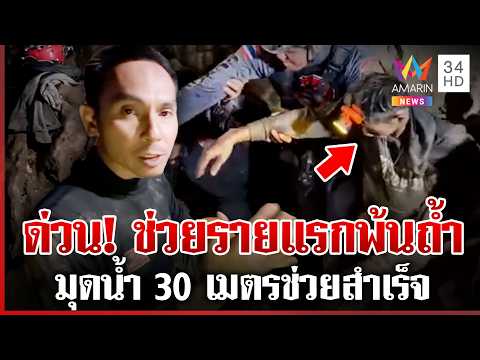
Thai Rescuers Successfully Extract First Survivor from Laos Cave
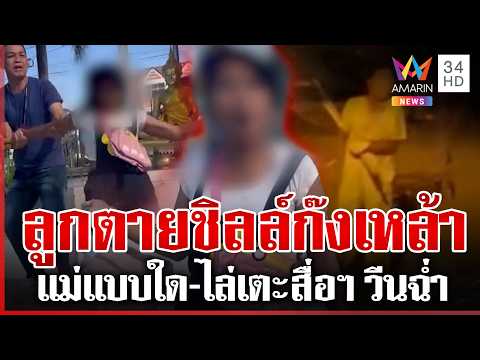
Mother Accused of Throwing Infant into Garbage, Later Seen Drinking Alcohol
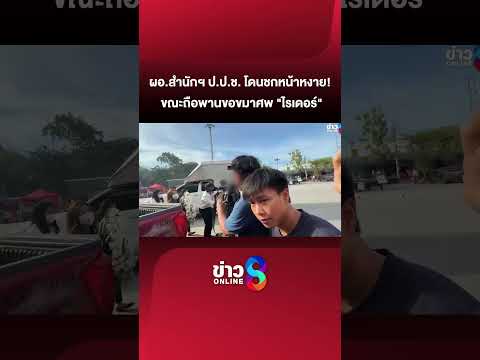
NACC Official Attacked While Offering Condolences to Slain Rider
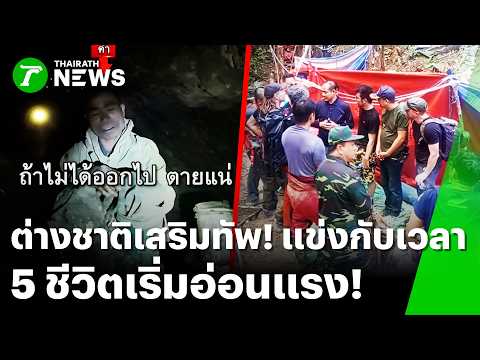
International Rescue Team Deploys to Aid 5 Trapped in Laos Cave
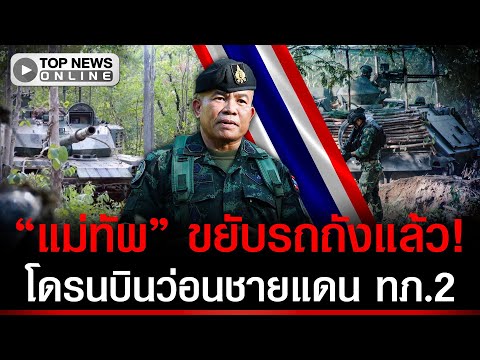
Thailand Deploys Tanks and Drones Amidst Cambodian Border Tensions
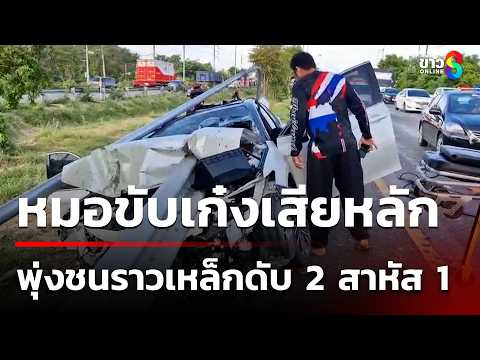
Doctor Dies in Fatal Crash After Car Pierced by Barrier
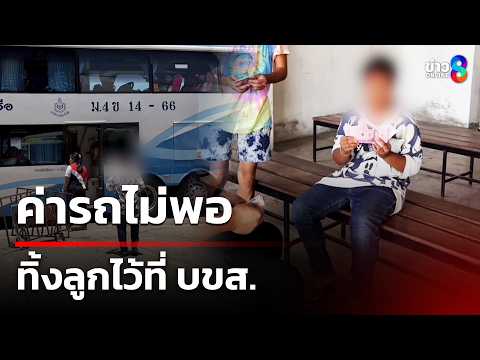
Mother abandons 10-year-old son at bus station over fare money
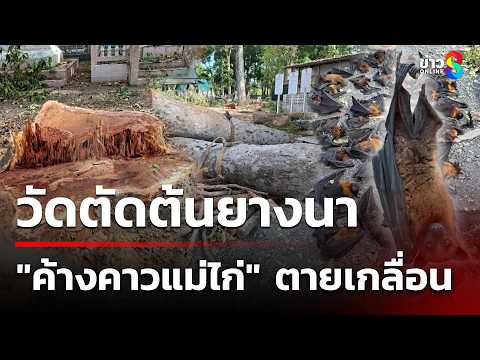
Temple Cuts Ancient Yang Na Tree, Dozens of Fruit Bats Die
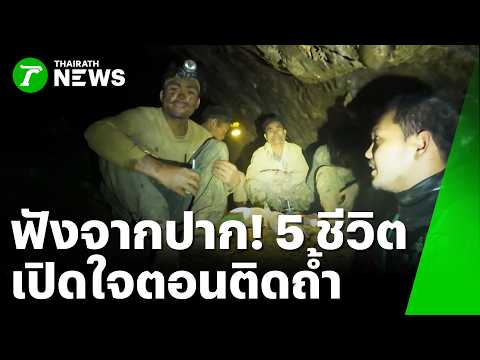
Thai Rescue Teams Race Against Time and Rain in Laos Cave Rescue
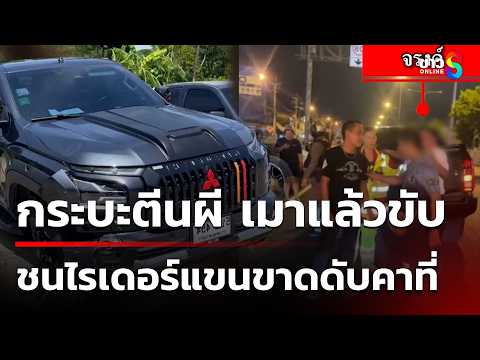
Drunk Driving Official Kills Rider, Attempts to Swap Driver
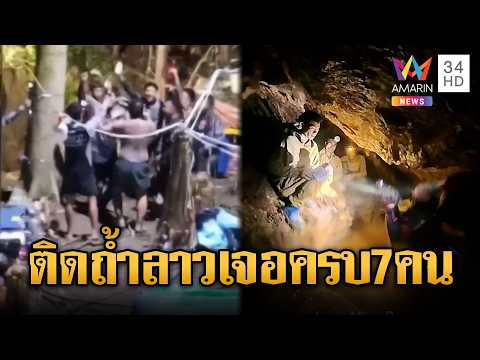
Thai Rescue Team Locates All 7 Workers Trapped in Lao Cave
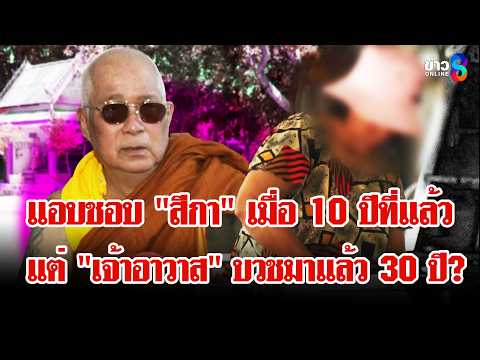
Abbot Shooting: Police Probe Abbot's Relationship with Lamai, Suspect Cover-up
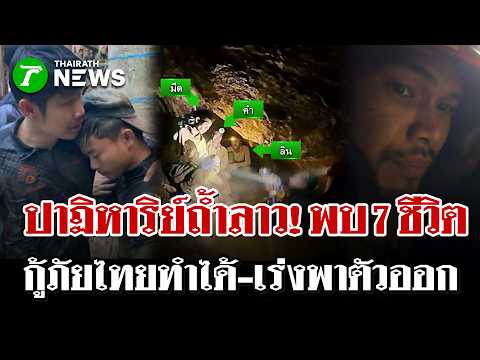
Thai Rescue Team Locates All 7 Survivors Trapped in Laos Cave
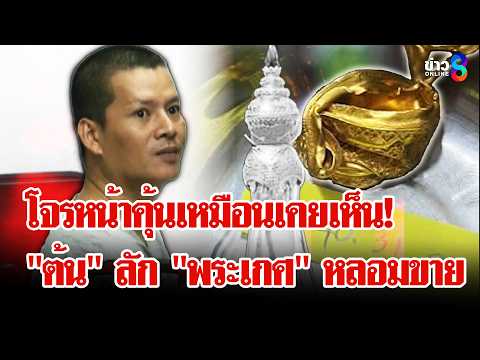
Monk Arrested for Stealing Golden Buddha Head to Melt
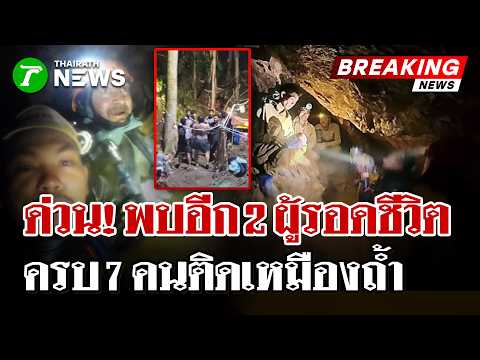
Miracle Rescue: All 7 Laotians Found Alive After 9 Days Trapped in Cave
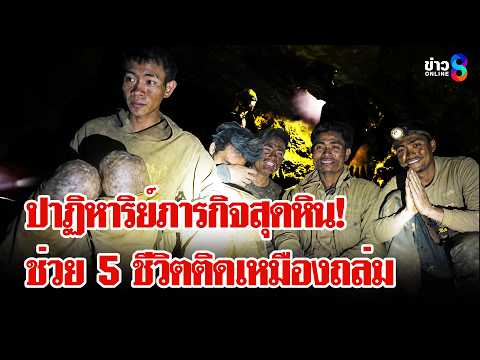
Thai Rescue Team Saves 5 Trapped in Laos Gold Mine
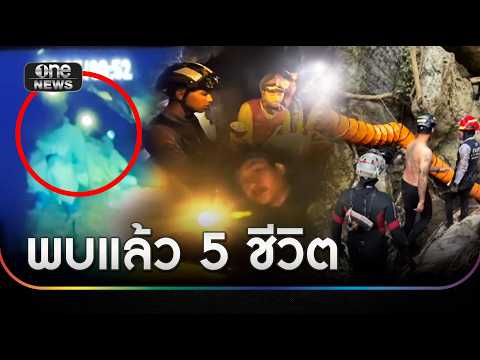
Five Trapped in Mine Collapse Found Alive; Two Still Missing

Thai Chuea Thai Plus Program: What's In and Out
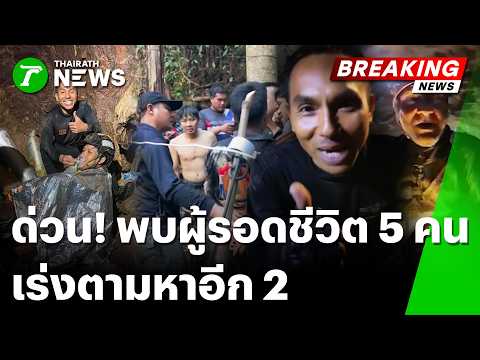
Thai rescuers find 5 Laotian survivors; search continues for 2 more

Cambodia Accuses Thailand of Heritage Destruction, Escalating Border Tensions

Cambodian Princess Visits Refugees in Thailand, Thanks Thai King
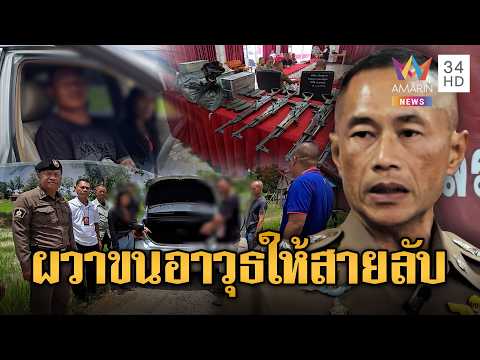
Thai Couple Arrested for Smuggling AK-47s and Thousands of Ammunition Rounds
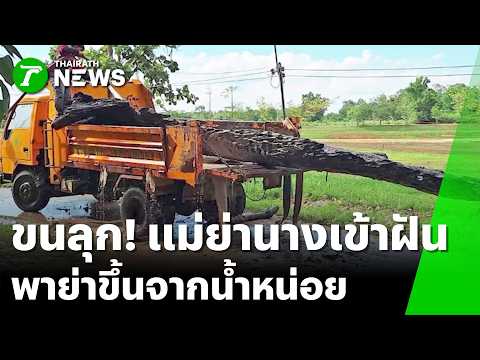
Supernatural Encounters Fuel Lottery Fever in Thailand
Contractor Found Dead on Ceiling After 5-Day Disappearance
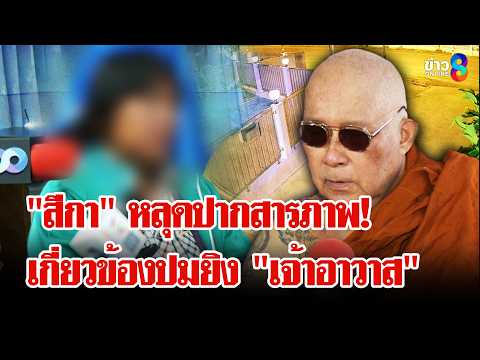
Abbot Shooting Case Nears End; Key Witness Questioned Again
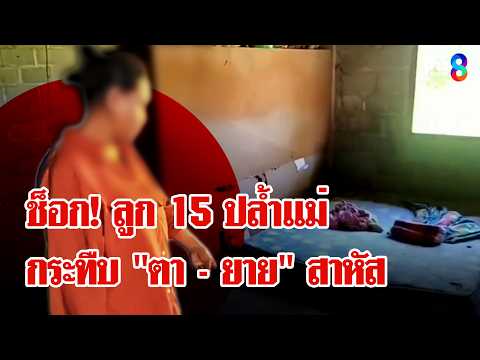
15-Year-Old Rapes Mother, Assaults Grandparents

Thai Deputy PM Anutin Defends Sovereignty to French President Macron
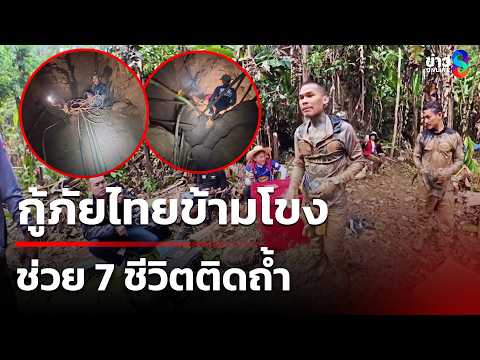
Thai rescuers aid 7 trapped in Laos mine cave
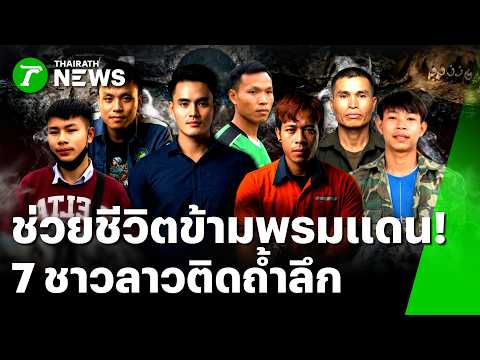
Thai rescuers aid 7 Laotians trapped in narrow cave
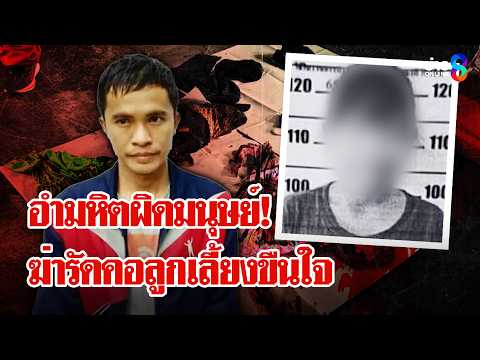
Stepfather Kills Stepdaughter, Critically Injures Wife in Brutal Attack

Victim Alleges Rape Since Age 9, Forced Drug Use; Legal Action Forthcoming
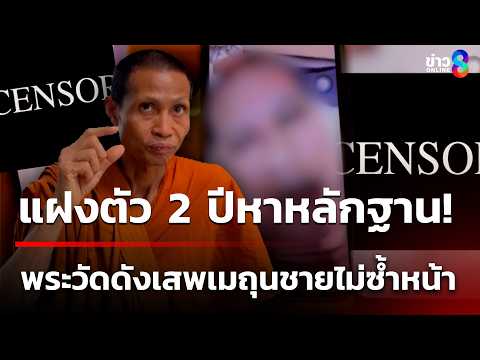
Investigating Monk Accused of Homosexuality and Frequent Male Visitors
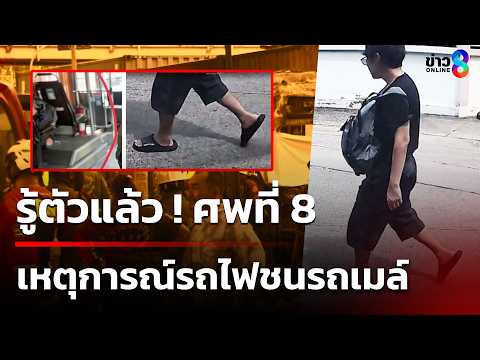
8th Victim Identified in Train-Bus Collision; DNA Tests Underway
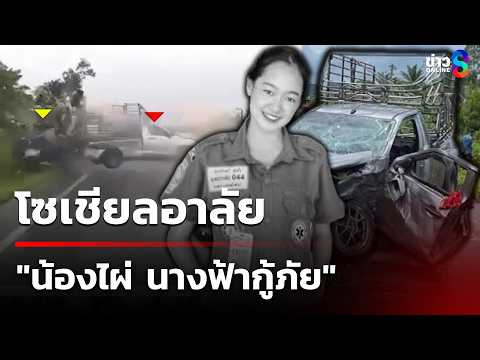
Six Dead in Highway Crash, Including Volunteer Rescuer
Iran Strikes Israeli Energy, US Forces Before Ceasefire Amidst Rising Tensions
Iran launched retaliatory attacks on Israeli energy infrastructure and US targets in Kuwait just before a ceasefire deadline, escalating regional tensions. Simultaneously, a campaign in Iran calls for citizens to volunteer for 'Jihad,' signifying readiness to sacrifice for the nation.
Smart Chapters
36 chaptersInsights
Events
Iran launched retaliatory strikes on Israeli energy facilities and US forces in Kuwait before a ceasefire deadline.
Over 14 million Iranians registered for the 'Jandafah' campaign, signifying willingness to sacrifice for the nation.
Parliament Speaker Mohammad Bagher Ghalibaf and President Ebrahim Raisi participated in the 'Jandafah' campaign.
Iran's IRGC targeted US bases and interests in the Persian Gulf and Strait of Hormuz.
Joint Iranian military operations used missiles and drones against petrochemical plants and Israeli-linked shipping.
A US carrier group in the Indian Ocean was reportedly targeted by cruise missiles.
Iran fired drones at Israeli petrochemical industries near Dimona.
Iranian missiles targeted the Negev desert, potentially aiming for nuclear facilities and the Nevatim airbase.
Cluster bombs were fired by Iran at apartment buildings in Bnei Brak, Israel, causing injuries.
Rescue operations were conducted in Bnei Brak following the cluster bomb attack.
Over 163 people were hospitalized in central Israel due to the attacks.
Iraqi militias continued to attack US bases in Iraq with missiles and drones.
A drone fell on a house in Al-Iriyah, west of Baghdad, resulting in casualties.
Explosions occurred near Baghdad International Airport, attributed to militia attacks.
Israeli media outlets displayed countdown timers to a potential US strike on Iran, drawing criticism.
Social media users questioned Israel's benefit from a potential US attack on Iran.